



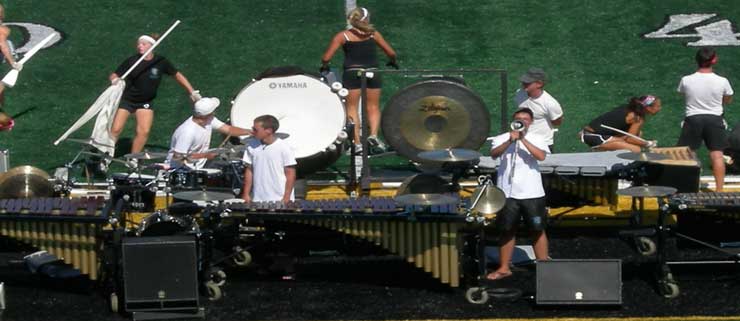


The Importance of Using a Tuner: Finding Your Perfect Pitch
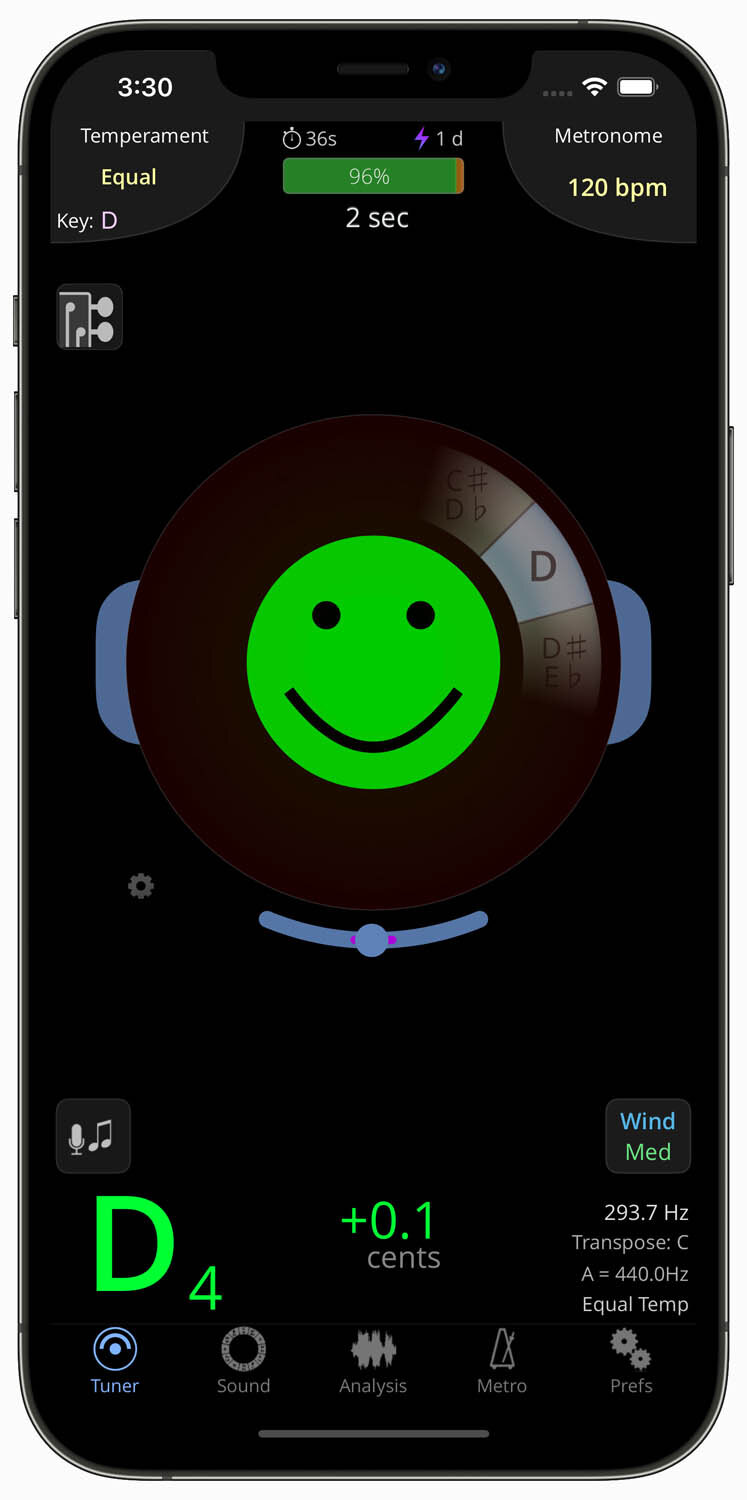
Music is a beautiful language, but like any language, it relies on clear communication. Just like people speaking the same language can do so with different accents to their voice so too can musicians play the same note but with slight changes in the way it sounds. The pitch may be a bit high or a bit low, and over the centuries musicians have come up with ways to analyze these differences so that multiple musicians can better "play in tune." Just as proper grammar and pronunciation are essential for understanding spoken words, playing in tune is paramount for creating harmonious music. This is where the tuner comes in. For the beginner (or even the more advanced musician) it can be a vital tool for developing accuracy of pitch.
 Scroll down to view the comparison chart of over a dozen different portable digital audio recorders.


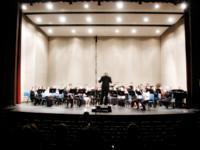
 The study involved 48 children aged 4-9 years of age, who were enrolled in a summer program in Toronto, Canada. The researchers had academic appointments at several institutions including the University of Toronto. Half the children received music training while the other half received visual arts training. The music training involved rhythm, pitch, melody, voice and basic musical concepts. Musical instrument instruction and performance were not part of this curriculum. Both training sessions involved interactive computerized programs. Sessions were 1 hour per day, 5 days/week over 4 weeks. Both groups received tests before and after the sessions to measure verbal and spacial intelligence and performance on an executive function task (“go/no goâ€). The study received the requisite approvals from governing ethics committees, parents and children.
 This article is the first in a series written by Christopher Veirek, PhD, and being presented by the Music Empowers Foundation, a non-profit organization that provides financial support to other nonprofits that offer innovative music education programs to communities with limited or nonexistent programs. Read on to view the article or
.jpg) A new research paper in the September 22nd, 2010 Journal of Neuroscience titled Enhancing Perceptual Learning by Combining Practice with Periods of Additional Sensory Stimulation points to something that many music educators have believed for a long time yet few actually push as a part of their student’s practice routines. The main point of the study appears to be that exposing a learner to additional auditory stimulation while attempting to learn an auditory task has a compounding effect on how much and how quickly the learner improves in completing the task. In other words, if a student practices their trombone for twenty minutes and then listens to twenty minutes of a good trombone performance he or she will reap the benefits of the equivalent of forty minutes of pure practice time.
A new research paper in the September 22nd, 2010 Journal of Neuroscience titled Enhancing Perceptual Learning by Combining Practice with Periods of Additional Sensory Stimulation points to something that many music educators have believed for a long time yet few actually push as a part of their student’s practice routines. The main point of the study appears to be that exposing a learner to additional auditory stimulation while attempting to learn an auditory task has a compounding effect on how much and how quickly the learner improves in completing the task. In other words, if a student practices their trombone for twenty minutes and then listens to twenty minutes of a good trombone performance he or she will reap the benefits of the equivalent of forty minutes of pure practice time.  In the early 20th century, the musical theatre stage works evolved. Not everybody enjoyed serious opera. As a carry over from the earlier centuries, a new form of 'light opera' or 'operetta' developed.
 During the mid 20th Century, music, like the other arts, evolved in various directions. Despite different paths taken, rhythm has been thoroughly explored by composers.Â
During the mid 20th Century, music, like the other arts, evolved in various directions. Despite different paths taken, rhythm has been thoroughly explored by composers.  Perhaps the most obvious and sweeping change that has affected the first part of the 20th century has been the rapid advance of technology. Radio and television broadcasting, records and compact discs have changed musical life beyond imagination. Music has now become a commodity, readily available anywhere. Â